HISTORY
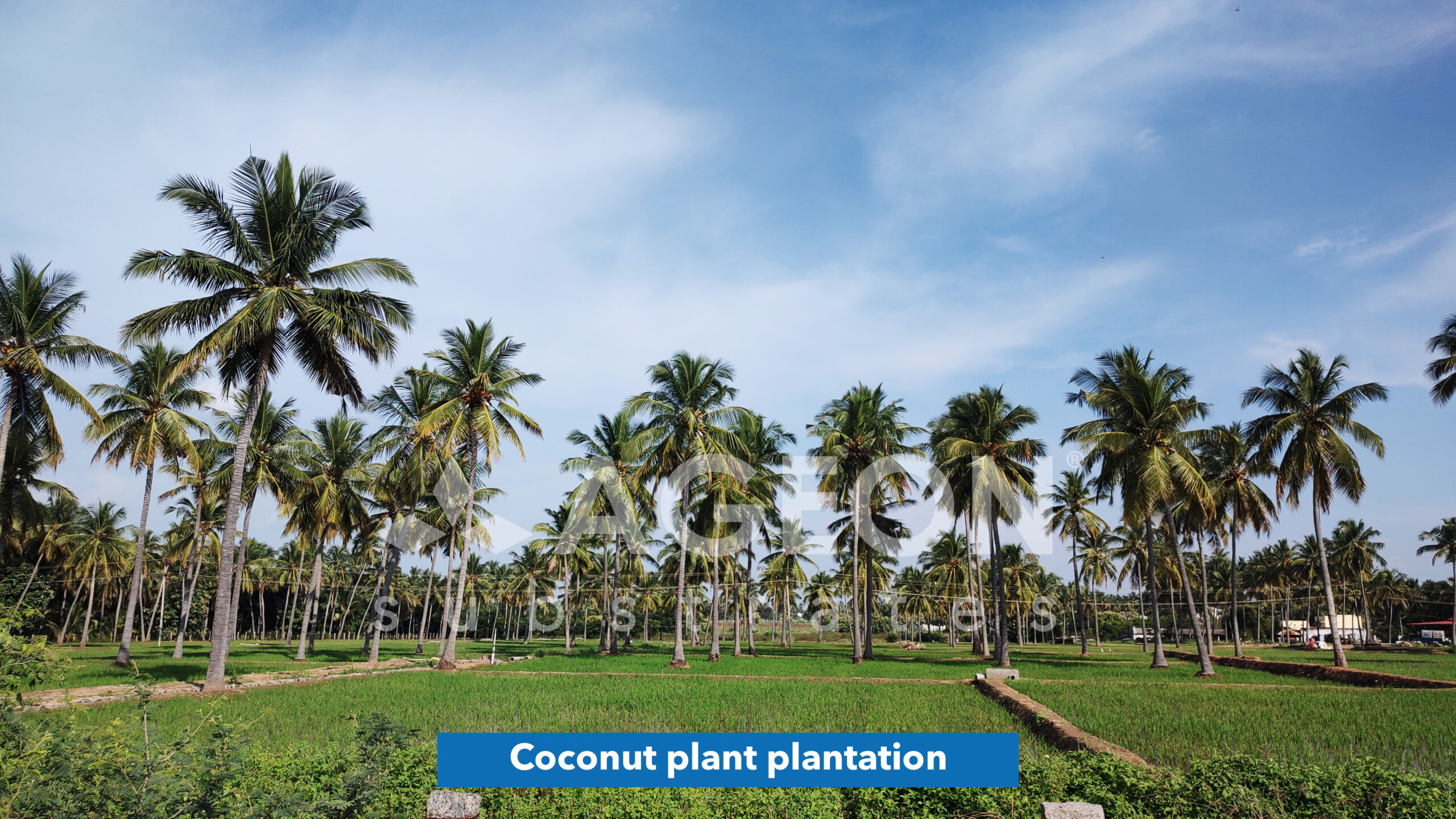
The largest producers of coconut fiber-based substrates are India and Sri Lanka, countries where coconut cultivation is well-established with deep historical roots. The coconut plant () has always represented a true source of wealth for these geographical areas. It is no coincidence that it has traditionally been called Kalpavriksha (the wish-fulfilling, all-giving tree). It was a strategic resource that could guarantee a complete livelihood for the populations who widely cultivated it, creating a true circular economy model around the plant.
When one thinks of the coconut plant, the most direct association is the fruit. Besides being harvested for fresh consumption, it is used to produce high-protein flours, high-melting-point vegetable fat (coconut oil), and its processing waste is used to make animal feed and natural glues. However, it is the entire coconut plant, not just the edible part, that represents a valuable raw material. From the plant’s sap, extracted mainly from the shoots, a traditional, slightly alcoholic beverage called “Toddy” or “Palm Wine” is made. From this, it is then possible to produce spirits or condiments, such as coconut vinegar, which is now common in kitchens around the world.
The husk of the coconut (the outermost, non-edible part of the fruit) was used for centuries by the textile industry, particularly in the production of ropes for naval use, leveraging the high tenacity and resistance of the fibers to seawater wear.
Well, it is precisely from the waste produced by the textile industry—represented by the finer fractions, the coarser ones, and the shorter fibers—that coconut-based substrates are still produced today. Initially, companies that produced substrates were essentially an adjunct to the more prosperous textile industry. However, following the decline of this traditional industry and the rise of new synthetic fibers, the processing of coconut husk as a substrate gradually took over, with a significant increase in companies that invested in the exclusive production of this type of substrate. Over time, these companies have evolved and specialized their know-how, leading to a significant improvement in the quality of coconut-based substrates available on the market today.
PRODUCTION PROCESS
It takes several months for coconut-based substrates produced in India and Sri Lanka to arrive in Italy. Transportation is primarily by sea, either through the Suez Canal or by circumnavigating Africa via the Cape of Good Hope, which results in very long navigation times. It takes 60-70 days, up to 75-85 days, for the products to reach Italy.
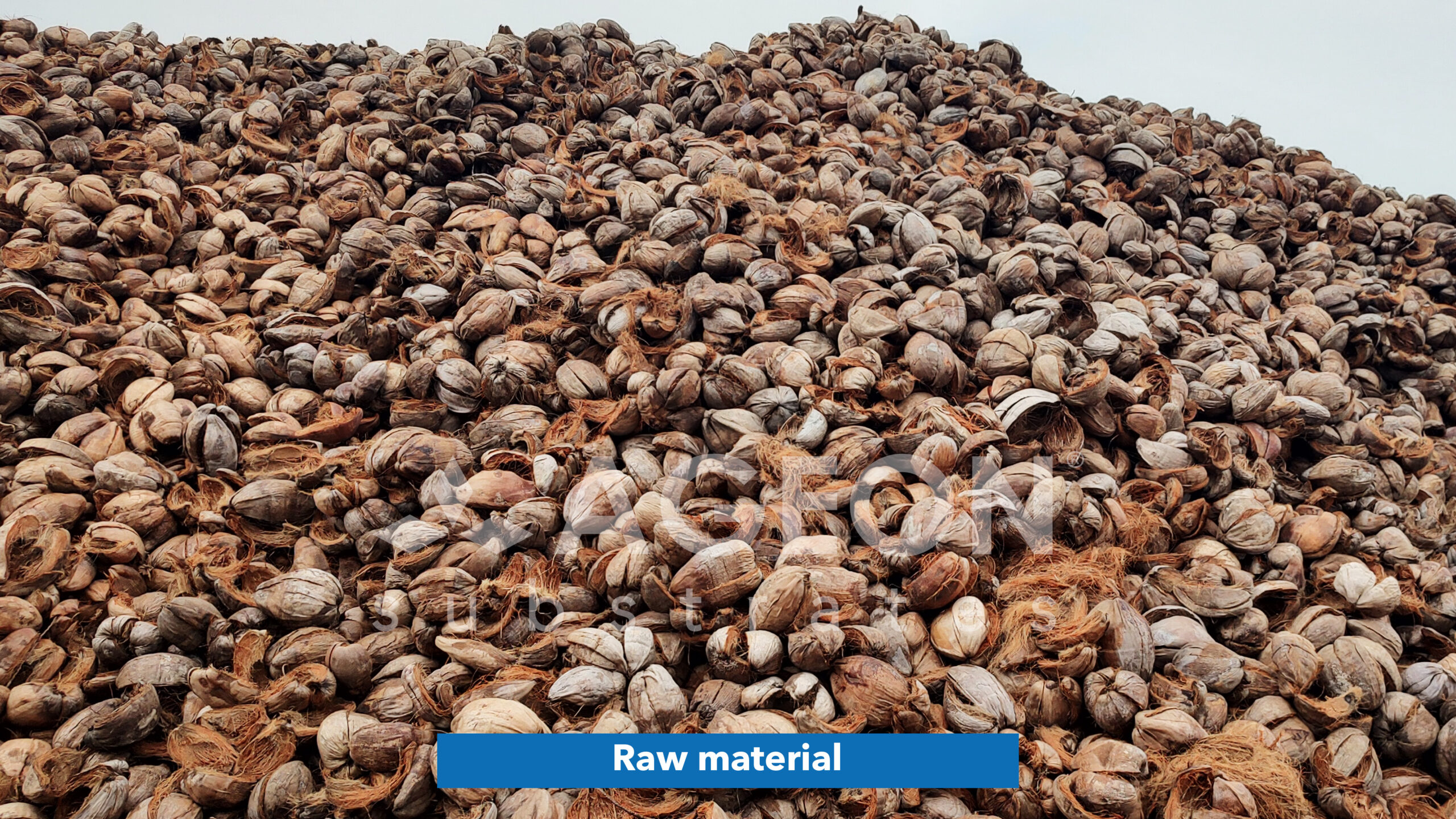
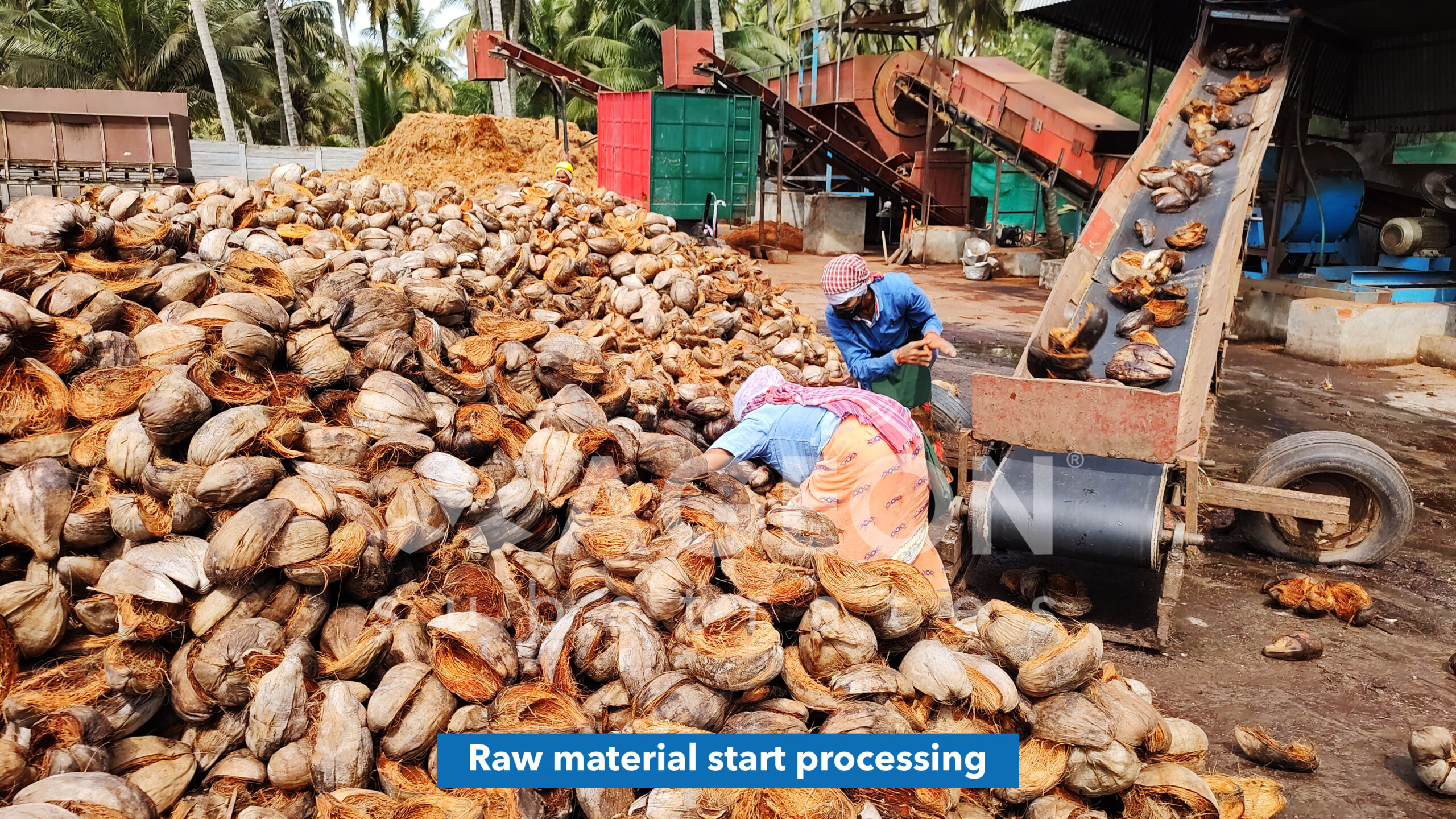
As mentioned before, the substrate production process starts with the processing of the coconut husk. Once separated from the edible part, the husk is left to macerate to soften its structure. It is then ground, washed, and dried.
Washing is a very important and delicate operation. It is crucial for regulating and lowering the EC (Electrical Conductivity) of the substrate that will be created. This phase also determines another qualitative factor of the future substrate. This is the case for so-called “buffered” substrates, where the raw material is pre-treated with a calcium nitrate solution to balance the high sodium and potassium content characteristic of the coconut matrix.
After washing and drying, the husk is de-dusted and sifted using special rotating drum centrifuges to separate the fine fraction, called pith, from the coarser fraction, known as chips, and from the fiber itself. The creation of the finished substrate, as we will see later, is defined by the skillful blending of these three fractions.


The product can be packaged as is, for example in semi-compressed formats, or it can be pressed (Fig. 4.F) to produce formats such as slabs (either bare or wrapped in plastic film), open bags, and 5 kg bricks. The compression process provides a significant advantage for transport and storage because it greatly reduces the product’s volume. Once these formats are hydrated, the natural properties of the coconut fiber allow the product’s volume to increase from 4 up to 6-8 times its original size.
ANALYSIS OF FACTORS THAT INFLUENCE THE PRICE OF COCONUT-BASED SUBSTRATES
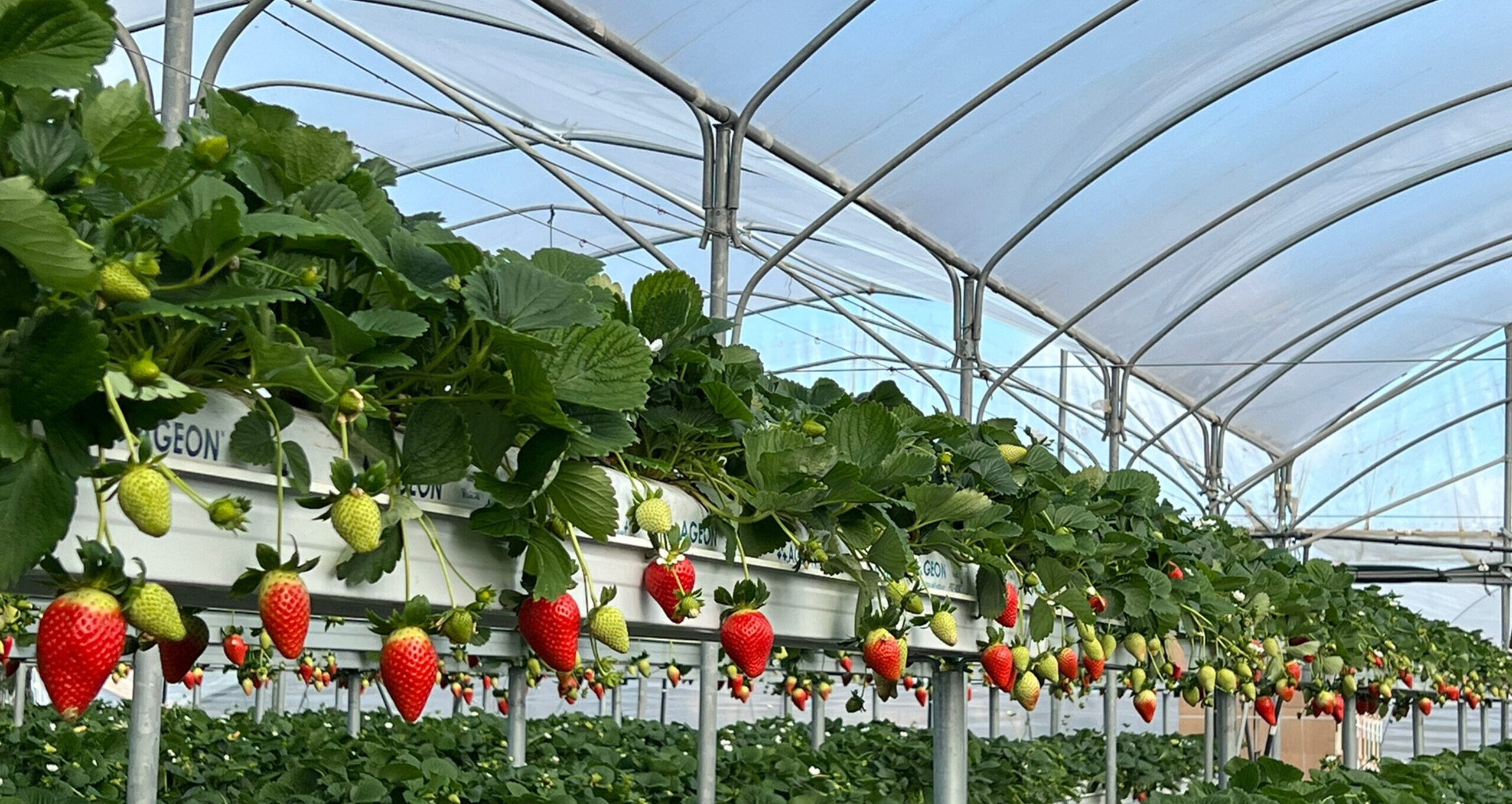
Choosing a substrate is a crucial investment for every professional grower. The cost of the substrate accounts for 2-3% of the finished product’s cost; however, poor choices, dictated by poorly calculated savings or a lack of in-depth knowledge of the product, can seriously jeopardize the entire production and heavily impact the economic balance at the end of the cycle.
But what determines the price of this valuable substrate? What factors influence the final cost, and how can you choose the most suitable product for your needs? The cost of coconut-based substrates is influenced by a multitude of factors, ranging from the mixture’s composition, extra processing, and format, to the dollar exchange rate and shipping route.
Shipping Costs. As already mentioned, the main producers of coconut mixture-based substrates are in India and Sri Lanka, and transportation is primarily by sea, using large cargo ships. Shipping costs represent a significant component of the final price of the mixture and are influenced by numerous variables, such as the route taken by the cargo ships.
For example, the route through the Suez Canal is generally the most economical, as it significantly reduces both the miles traveled and the number of days at sea compared to the alternative route, which involves circumnavigating the African continent via the Cape of Good Hope. However, access to the Suez Canal is not always guaranteed: sociopolitical factors can prevent passage, and the availability of space on cargo ships on this route can be an additional limitation, especially for orders in quantities less than a full container. Consequently, the volume of the substrate ordered also directly affects shipping costs.
Optimal planning is essential to reduce substrate procurement costs. It is advisable to place orders at least four months in advance of the desired delivery date to ensure better logistical management. However, it is important to remember that shipping costs can vary over time due to unpredictable factors such as fluctuations in fuel costs, dollar value fluctuations, or government interventions in the freight market. These variables, which are often beyond direct control, can significantly impact overall costs.
Qualitative Characteristics of the Mixture and Format. We have seen how the intrinsic qualitative characteristics of the mixture, such as the uniformity of its components and the absence of impurities, can be decisive in achieving the desired agronomic result. These characteristics are linked to variables like the choice of raw material and the execution of specific operations during the production process, which inevitably impact the product’s cost. The same applies to requests for mixtures that have undergone extra processing such as washing and buffering. Also, in the case of bagged formats, the quality of the plastic (for multi-year use substrates) has a significant impact on the product’s price.
Mixture Composition. The most valuable fraction among fiber, pith, and chips is the coarsest one. In fact, chips are obtained from the hardest and most difficult-to-process part of the coconut husk. Therefore, obtaining a uniform and homogeneous coarse fraction requires superior technology. Moreover, washing this component, and thus removing most of the salts that characterize it, is an operation that requires more attention and time, as do the drying and desiccation phases. This is why the percentage of chips in a mixture impacts the price more than the other two components.
Unit Volume of the Substrate. The unit volume is another parameter that determines the product’s price, both directly due to the quantity of the mixture and indirectly due to higher shipping costs. The choice of the appropriate unit volume for one’s needs is dictated by factors such as the crop, the type of system, and the desire to use the substrate for multiple years/cycles (in the case of bagged formats).