The Tomato brown is a virus that infects tomato and pepper plants, causing severe damage and rapid spread if prevention and mitigation measures are not applied.
The Tomato brown rugose fruit virus (ToBRFV) is a virus of the genus Tobamovirus that infects tomato (Solanum lycopersicum) and pepper (Capsicum spp.) plants, currently causing severe damage to crops, particularly in tomato cultivation. It was first recorded in Europe in 2018 in Germany.
The recent spread of ToBRFV in Sicily (Italy) is most likely attributable to the introduction of infected seeds and/or infected fruits and their subsequent handling, driven by the movement of goods and international trade in the free-trade area for countries bordering the Mediterranean basin.
Given its characteristics, which make it very similar to ToMV (Tomato mosaic virus), its modus operandi is presumed to be similar, although no conclusive data is currently available.
The ToBRFV virus is not currently listed as a relevant quarantine pest for the European Union, nor as a regulated non-quarantine pest relevant to the Union, under EU Reg. 2072/2019. However, given its danger to crops, it has been included in the EPPO (European and Mediterranean Plant Protection Organization) alert list.
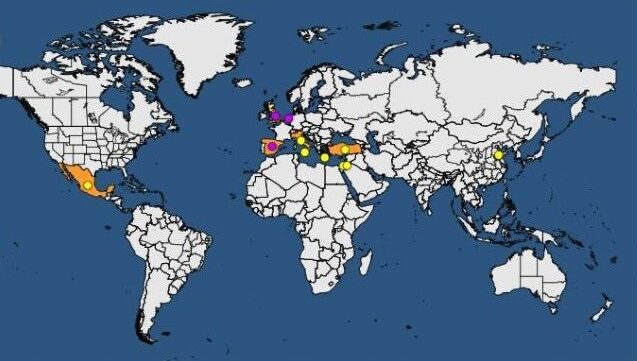
Figure 1: Global distribution map of Tomato Brown rugose fruit virus (EPPO 2020)
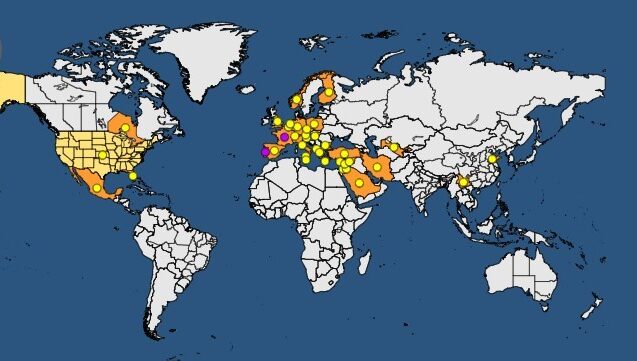
Figure 2: Global distribution map of Tomato Brown rugose fruit virus (EPPO 2023)
ToBRFV Transmission and Factors Favouring its Spread
ToBRFV, like all tobamoviruses, is easily transmitted mechanically from an infected plant to a healthy one through common cultural practices, clothing (footwear, work overalls, gloves, etc.), and the handling of work tools, or through the circulation of water in irrigation systems. ToBRFV has no known natural vectors but can be passively conveyed by pollinating insects such as bumblebees. The rate of seed-to-seedling transmission is low, as the virus contaminates the seed coat of the host plant but not the embryo. However, transmission can occur through contact between the seed coat and the germinating seedling, making early diagnosis in seeds extremely important. ToBRFV can persist for a long time in infected crop residues, soil, and equipment.
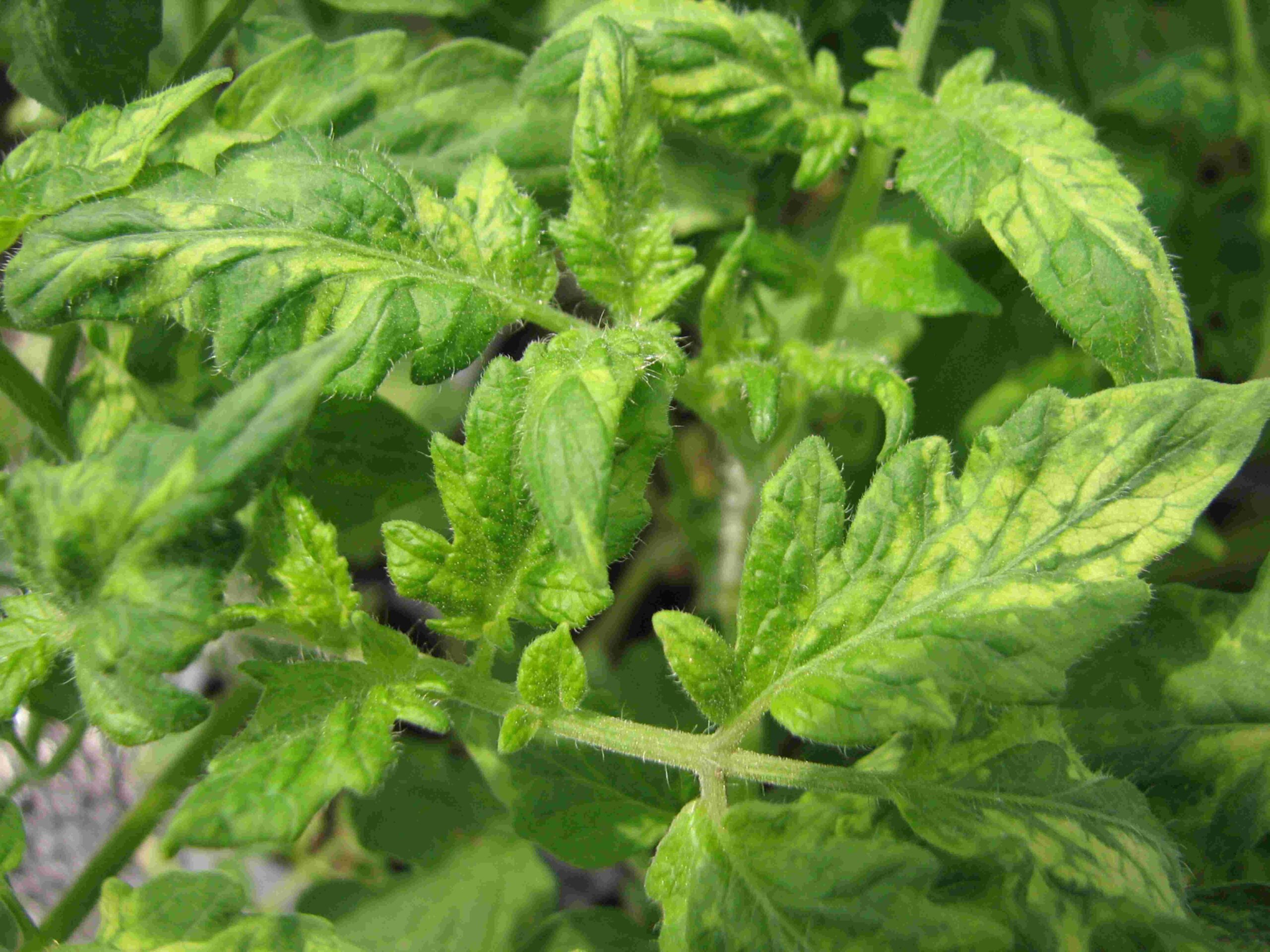
The symptoms associated with ToBRFV are quite variable and often confused with those caused by ToMV and TMV (other tobamoviruses). They include mottling, chlorosis, leaf mosaic, deformations, leaf lacerations, and narrowing of the leaf blade down to the veins in the most severe cases, brownish spotting on berries, young berry deformations, irregular ripening, and a reduction in their number. Occasionally, extensive brownish spotting is observed on rugose (wilted) fruits, from which the name ToBRFV derives, and sometimes necrosis of the sepals.
Host Plants and Symptoms
ToBRFV primarily affects tomato and pepper. The virus can also infect other species such as petunia, which remains asymptomatic, and can also affect adventitious weeds such as Solanum Nigrum (black nightshade) and Chenopodium murale, but it cannot infect potato (Solanum Tuberosum) or eggplant (Solanum melongena). To date, however, field infections have only involved tomato and pepper, while all other mentioned species have been artificially infected for experimental purposes.
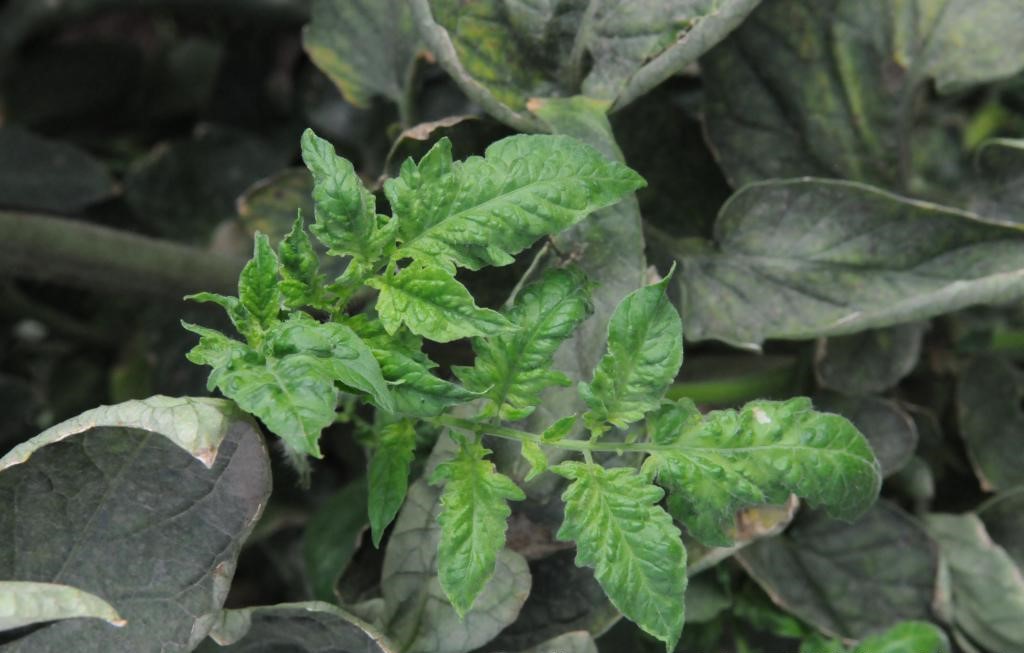
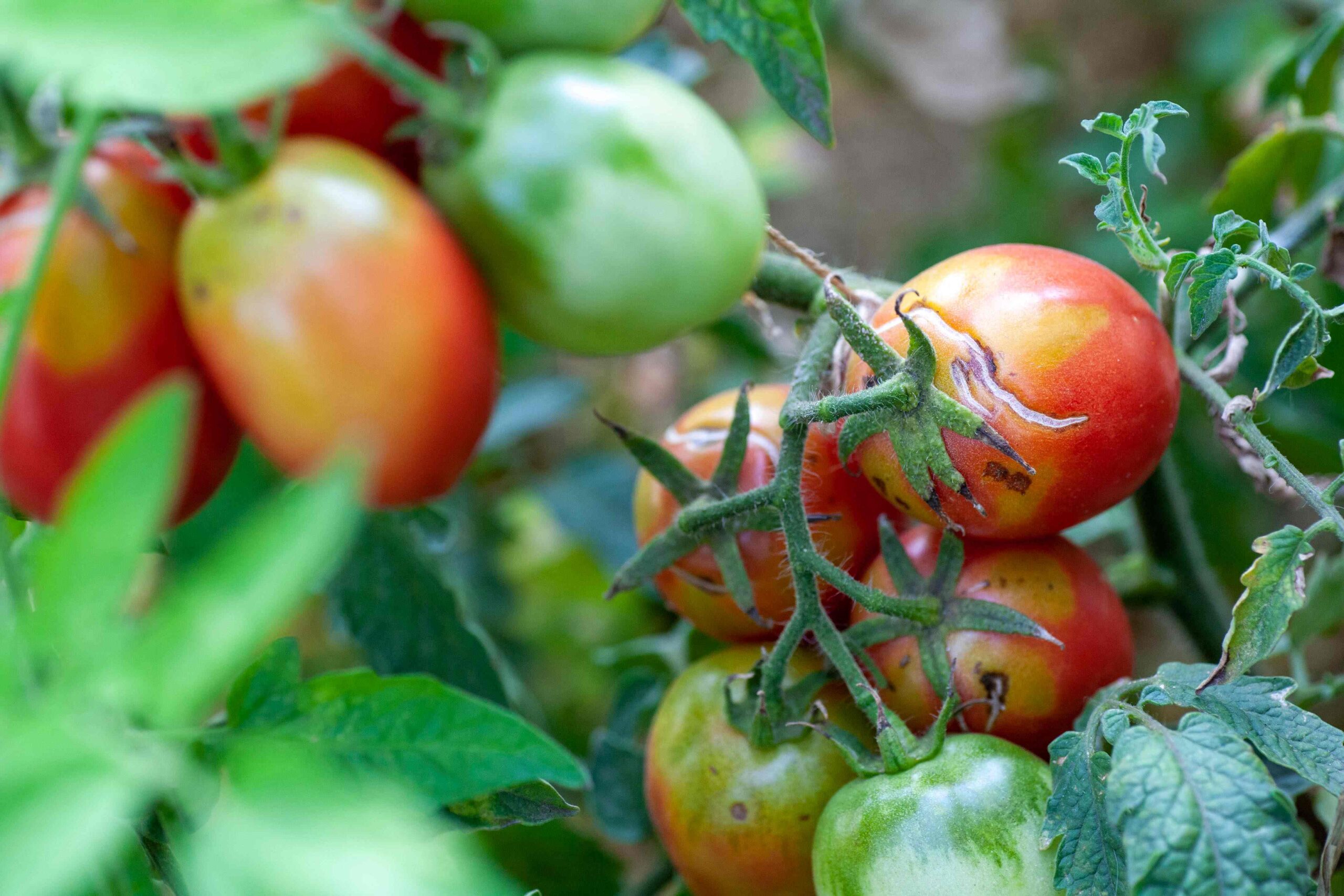
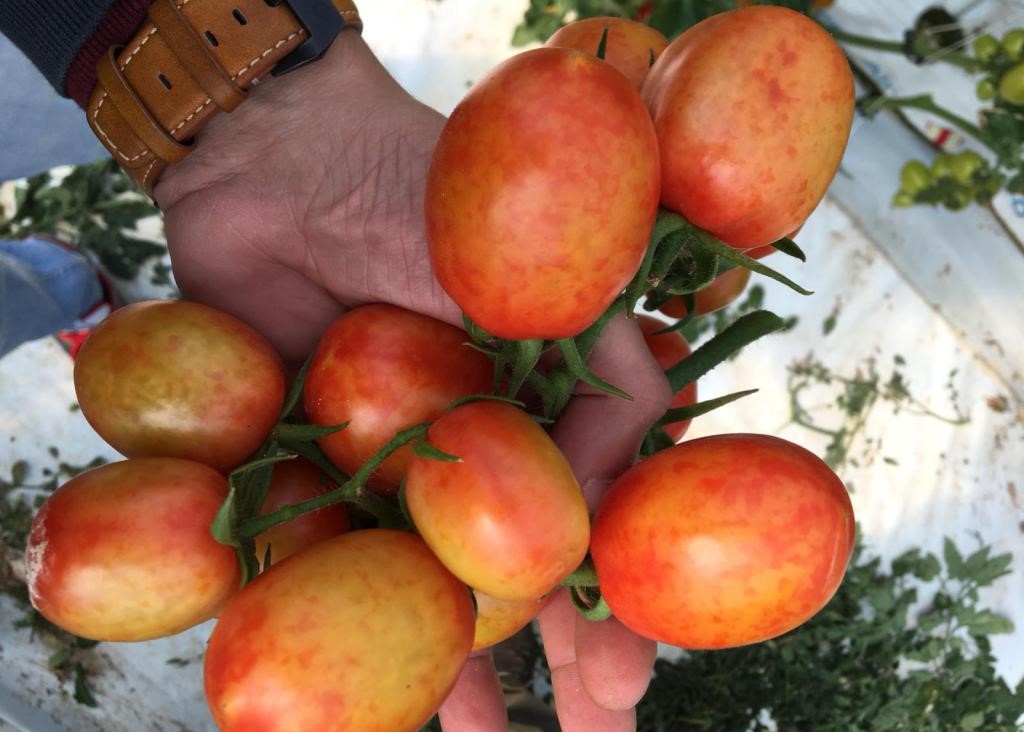
Foliar symptoms on tomato are mostly attributable to chlorosis, leaf mosaic, mottling, yellowing, necrosis, and leaf blade deformation such as asymmetry and blistering (Fig. 2 and 3). On fruits, symptoms vary depending on the photoperiod, temperature, and cultivated variety; yellow, green, or brown spots may appear (Fig. 5), and the skin may become rugose, show deformations (Fig. 6), exhibit irregular ripening, and a reduced number of berries. In conditions most suitable for symptom expression (high temperatures and long photoperiod), necrotic spots may appear on peduncles, calyxes, and petioles (Fig. 6). All observed symptoms render the fruits unmarketable.
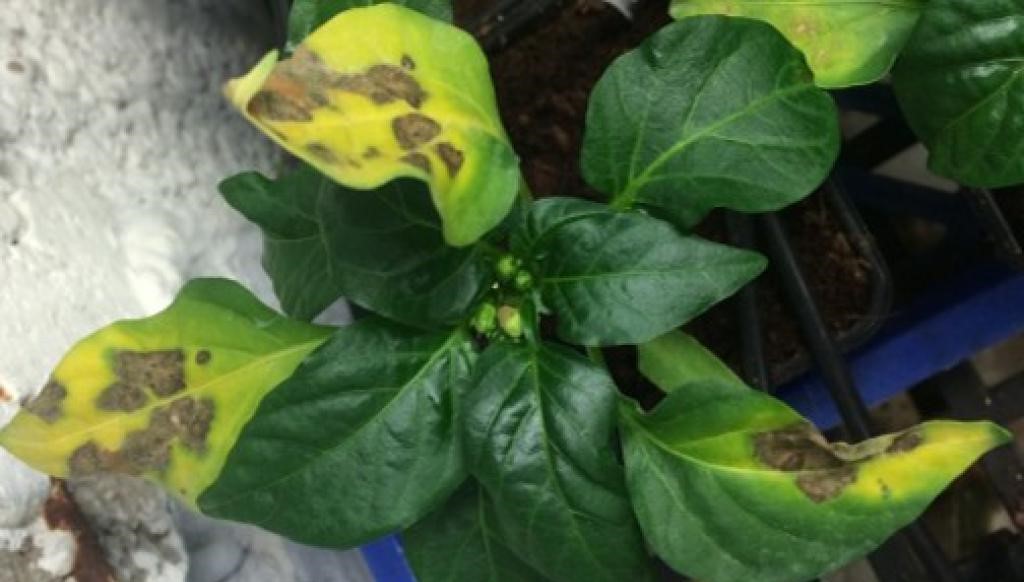
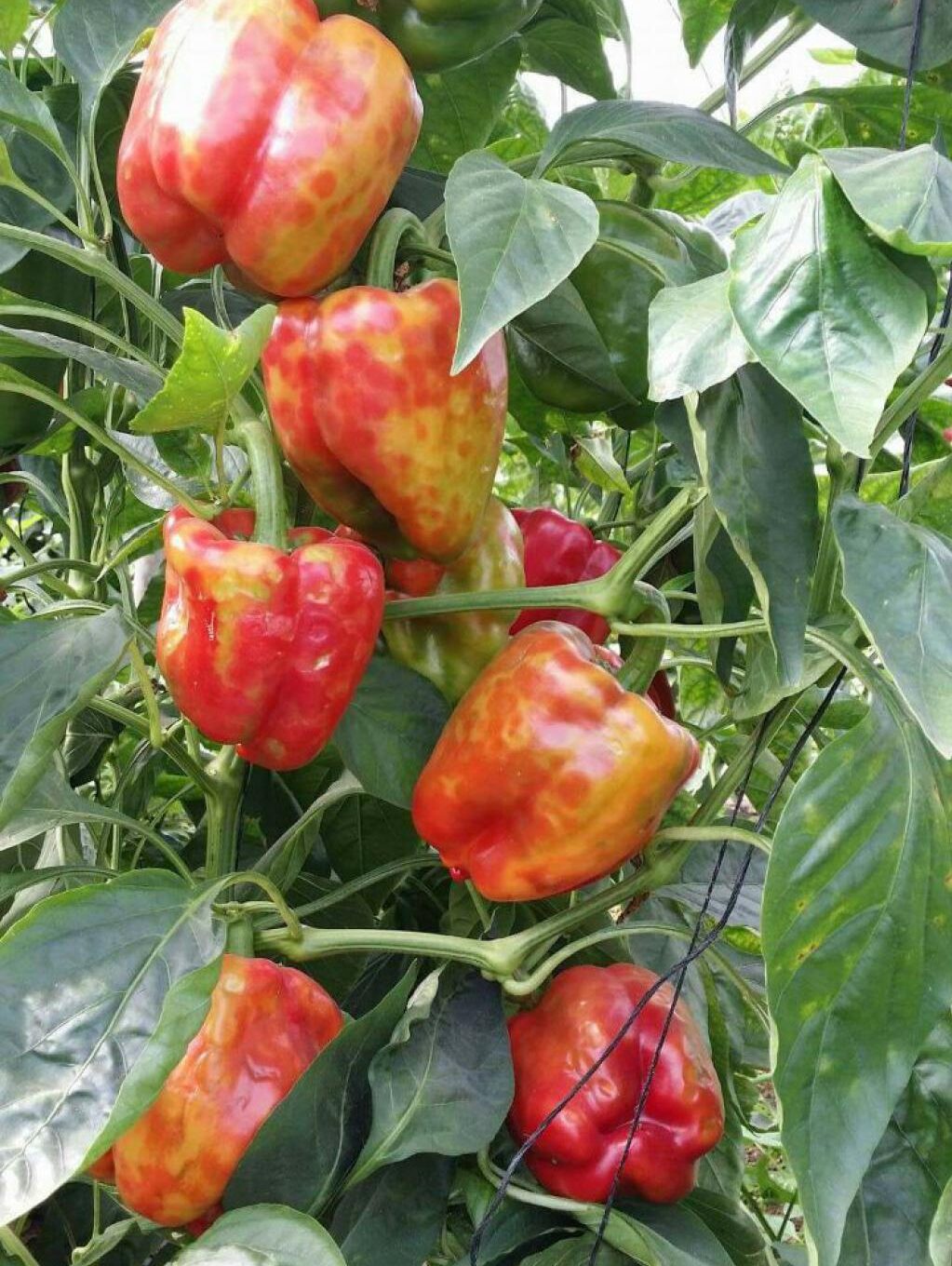
On pepper, ToBRFV causes fruit deformation (Fig. 4), associated with brown, yellow, or green streaks and necrotic lesions, often visible along the stem as well, while on the leaves (Fig. 1), mosaics and slight deformations develop.
Prophylactic Measures and Treatments in Case of Suspected Spread
Greenhouses are enclosed spaces where a ToBRFV infection can spread rapidly. Therefore, to prevent the introduction of ToBRFV or minimize the impact of a potential outbreak, it is necessary to adopt prevention and mitigation measures. It is thus fundamentally important to define and follow a proper hygiene protocol in a protected environment—after all, prevention is better than cure.
The preventive prophylactic measures to be implemented when no harmful organism has been observed in the crop yet consist of:
- Instructing personnel on recognizing virus symptoms and the disinfection operations to follow during activities in the tunnel.
- Assigning defined greenhouse zones to each employee and identifying the material (knives, tools, crates, etc.) belonging to each zone to limit the risk of pest propagation from one area to another.
- Controlling access to crops. No unauthorized person should enter the greenhouses. If possible, close the greenhouse doors. Preventive measures (disposable gloves, overalls, and overshoes) must be taken during visits.
- Placing a disinfection mat at the entrance of each greenhouse or section. The mat must be soaked with a sufficient amount of an effective disinfectant product such as the certified phytosanitary disinfectant. The disinfection mat must be regularly cleaned to maintain the product’s effectiveness, and the solution must be renewed regularly according to usage recommendations. The mat must always remain moist.
- Regularly washing and disinfecting hands and tools during crop work (after each plant or when changing rows): placing a bottle of disinfectant for hands and tools at every entrance to the greenhouse and/or unit. During crop maintenance work, it is necessary to wash them after contact with dirt (soil, waste, etc.). Wearing gloves does not substitute for hand washing.
- Regularly washing work clothes (at least once a week) at a minimum of 60°C: dirty clothes become vectors of contamination and can carry numerous microorganisms. Alternatively, exclusively use disposable clothing for all greenhouse personnel.
- At the end of each cropping cycle, proceed with the removal of growing substrates and the eradication of all plant clippings, including roots.
- In case of confirmed contamination, use plastic bags to remove residues from the facility and destroy them.
- They must absolutely not be composted in on-farm composting facilities, as the virus is not eliminated this way, only risking new contamination.
A second step of sanitization and phytosanitary prophylaxis, carried out after removing plant residues, consists of an initial cleaning phase with the application of a detergent such as a specific professional detergent to remove any trace of dirt. Organic and inorganic residues remaining on surfaces are a fertile breeding ground where microorganisms can hide, and if not removed, they would inhibit the effectiveness of the subsequent disinfection treatment. The operation is concluded with a water rinse.
Subsequently, the surfaces to be treated must be disinfected. Ageon recommends the use of a certified phytosanitary disinfectant (a product based on benzoic acid, a completely degradable organic substance) which has a triple action on bacteria, fungi, and viruses, and is registered as a plant protection product with the Ministry of Health.
Numerous scientific articles report the effectiveness of the certified phytosanitary disinfectant for the removal of Tomato Brown Rugose Fruit Virus. Specifically, a report carried out by Normec Groen Agro Control, a Dutch laboratory specializing in analysis for the agriculture, horticulture, and food processing sectors, demonstrates how disinfection with the certified phytosanitary disinfectant at 4% ensures total removal of ToBRFV on both the cultivation gutter (metal) and vertical glass (greenhouse glass), regardless of the application time (16 h or 4 h).
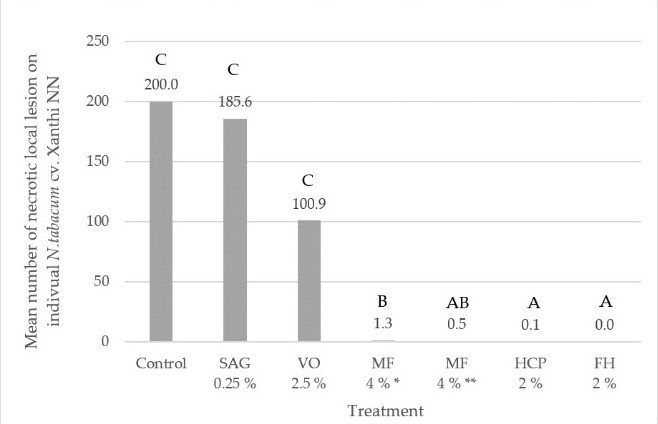
Table 1: Efficacy of detergent and disinfectant action
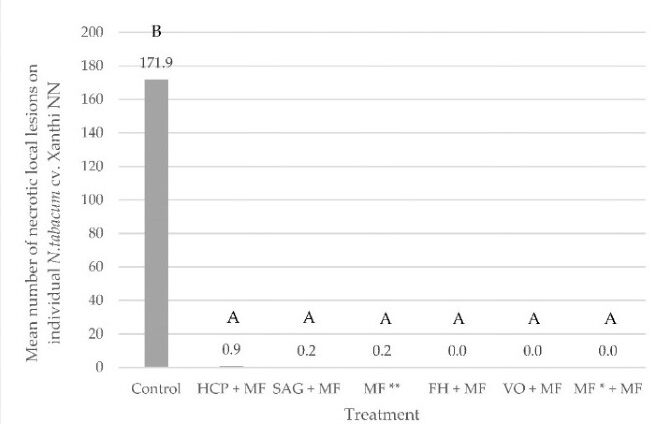
Table 2: Efficacy of combined detergent and disinfectant action
Regarding clothing treatment, in case of a ToBRFV infection detected inside a greenhouse, a group of researchers from Humboldt University in Berlin tested and demonstrated the efficacy of specific professional detergents and certified phytosanitary disinfectant products from Menno Chemie Vertrieb Ghmb for the horticultural sector for the total inactivation and removal of the virus compared to generic detergents. If used individually, the highest efficacy was found with a specific professional detergent followed by the certified phytosanitary disinfectant (see Table 1). However, if applied sequentially, i.e., detergent first and then disinfectant (Table 2), the efficacy of sanitization is always due to the action of the certified phytosanitary disinfectant, which allows for total removal of ToBRFV even if a generic product were chosen for the cleaning phase instead of a product specifically designed for the fruit and vegetable sector like a specific professional detergent.